Cloud Misconfigurations Still Dominate Breaches: A Practical Hardening Guide
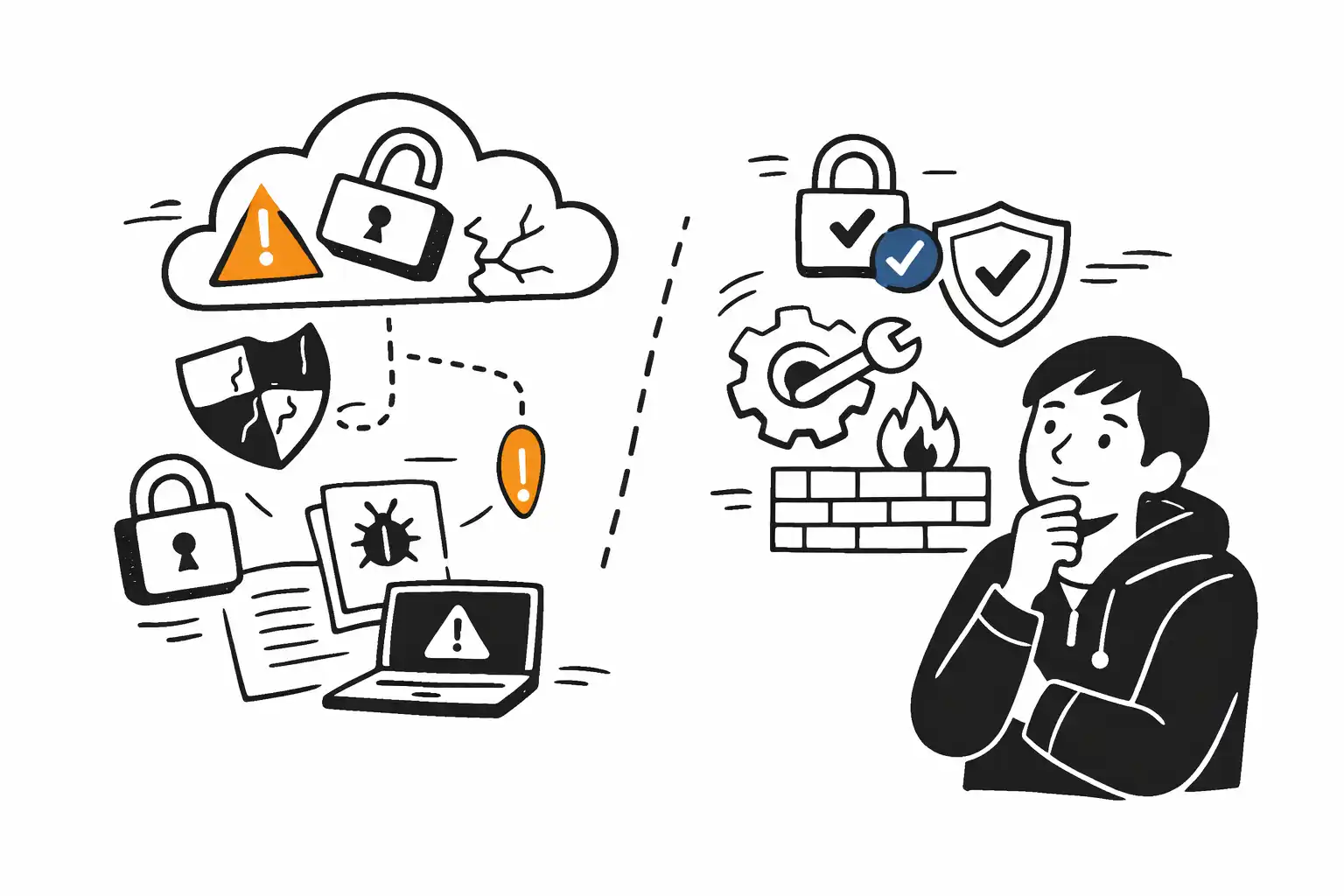
Despite years of awareness, cloud misconfigurations remain one of the leading causes of data breaches worldwide. From exposed storage buckets to overly permissive access controls, small configuration mistakes continue to have massive consequences.
This guide breaks down why misconfigurations persist and how organisations can harden their cloud environments effectively.
Why Cloud Misconfigurations Are So Common
Cloud platforms prioritise flexibility and speed — not security by default. Common reasons misconfigurations occur include:
- Rapid deployments without security reviews
- Complex identity and access management (IAM) models
- Lack of visibility into cloud assets
- Shared responsibility misunderstandings
According to the Cloud Security Alliance, misconfiguration is the top cloud security risk: https://cloudsecurityalliance.org/research/top-threats/
Most Common Cloud Misconfigurations
1. Publicly Exposed Storage
Object storage buckets accidentally exposed to the internet continue to leak sensitive data.
2. Over-Permissive IAM Policies
Users and services often have far more access than required, increasing blast radius during compromise.
3. Exposed Management Interfaces
Admin panels, dashboards, and APIs are frequently left publicly accessible without strong authentication.
4. Unmonitored Cloud Assets
Unused services and test environments often remain exposed long after deployment.
Step-by-Step Cloud Hardening Checklist
Step 1: Discover All External Assets
You cannot secure what you do not know exists. Continuous discovery of domains, subdomains, IPs, and services is essential.
Step 2: Enforce Least Privilege
Audit IAM roles regularly and remove unnecessary permissions.
Step 3: Secure Internet-Facing Services
Restrict access to admin interfaces, enforce MFA, and limit exposure where possible.
Step 4: Monitor Continuously
Cloud environments change constantly — monitoring must match that pace.
Step 5: Validate With Real-World Exposure Testing
Look at your environment from an attacker’s perspective to identify what is actually reachable.
Why One-Time Audits Are Not Enough
Cloud environments are dynamic. A configuration that is secure today may be exposed tomorrow due to:
- New deployments
- Policy changes
- Third-party integrations
This is why organisations are moving away from annual audits toward continuous security validation.
Conclusion
Cloud misconfigurations remain a dominant breach vector not because they are complex — but because they are easy to miss.
Organisations that invest in continuous visibility, proactive hardening, and external monitoring significantly reduce their risk and gain confidence in their cloud security posture.
In 2026, cloud security is not about perfection — it is about visibility, speed, and ongoing control.